How to Choose the Right Dune Buggy for a Dubai Desert Ride
Choosing a buggy is less about picking the boldest-looking vehicle and more about matching the ride to the person driving, the terrain, and the kind of day planned. Dubai desert driving can feel very different from a short run on firm ground. Soft sand, changing light, heat, and long stretches between landmarks all affect what makes a buggy comfortable and practical.
The right choice becomes clearer when the decision is broken into a few practical steps. Each one narrows the options and helps avoid a ride that is too powerful, too cramped, or poorly suited to the route.
Start with who will be riding
First, decide whether the ride is for one person, two people, or a mixed group. A single-seater buggy is usually simpler to judge because the driver only has to manage their own weight, balance, and pace. It can feel more direct, and the driver can focus fully on steering, braking, and reading the sand.
A passenger buggy changes the decision. Extra weight affects acceleration, braking distance, and how the vehicle feels on slopes or when turning across soft sand. Passengers also need enough legroom, a secure seat, and clear guidance before the ride starts. If someone in the group is nervous, prefer a calmer pace and a vehicle that feels stable rather than one built for sharp moves.
It also helps to be honest about experience. A first-time rider does not need the most aggressive option. Someone who has spent time on off-road driving may want more control and stronger response. The aim is a ride that feels manageable from the start, not one that becomes stressful after the first few turns.
Match the buggy to the terrain
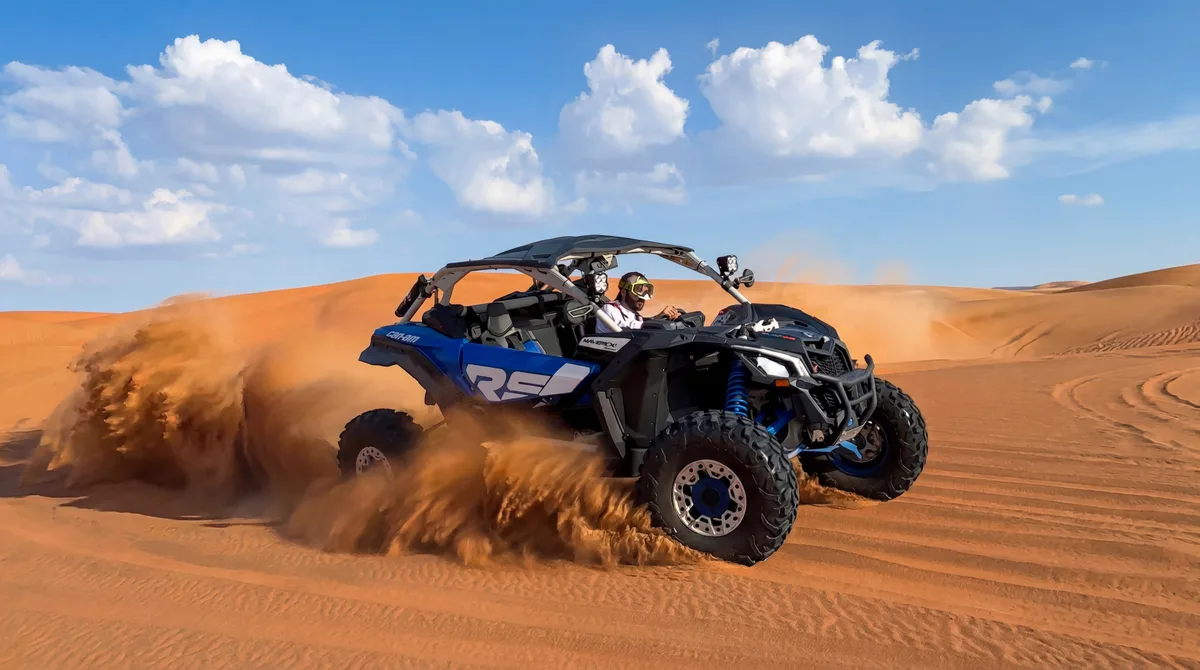
The desert is not one surface. Flat compacted tracks can feel straightforward, while sand dunes demand patience, smooth steering, and steady momentum. A buggy that performs well on firm ground may feel less assured when the sand softens or the route climbs and drops.
Ask what kind of route is planned. If the ride includes open sand dunes, look for a buggy with a low centre of gravity, good ground clearance, and tyres suited to loose sand. If the route is mostly a desert safari trail with firmer sections, comfort and visibility may matter more than extreme suspension travel.
When comparing a buggy dubai option for a dune route, pay attention to how the vehicle is expected to be used. A short burst over flat sand is different from a longer circuit with climbs, descents, and tight turns. The second calls for better control, a more settled ride, and enough confidence for the driver to ease off rather than force the vehicle through every section.
Check power, control, and braking
Power matters, but it is only one part of the choice. Too much power in the hands of an inexperienced driver can make the buggy twitchy on loose sand. Too little power can be frustrating if the route includes long climbs or soft patches. What matters most is the way power is delivered.
A good buggy should respond smoothly when the throttle is applied. It should not surge suddenly or feel difficult to correct. Braking should feel predictable, with the vehicle staying steady rather than pulling sharply to one side. Steering should feel clear enough that small corrections are natural, especially when following a track that shifts between firm sand and deep patches.
Automatic transmission often makes the ride easier for newcomers because it removes the need to change gears while steering over uneven ground. Drivers who enjoy more involvement may prefer more control, but only if they are comfortable managing gears, throttle, and terrain at the same time.
Look closely at safety gear and fit
Safety should shape the choice from the beginning, not be added at the last minute. A helmet that fits properly is essential. It should sit level, feel snug without pressure points, and stay in place when the head moves. A loose helmet can distract the driver and reduce protection.
Seat belts, seats, and roll structures also matter. The driver should be able to reach the pedals and steering wheel without stretching or feeling cramped. Shoulders should not be forced against the side of the seat, and the passenger should not have to brace constantly to stay comfortable. Clothing should cover exposed skin where practical, and eye protection can help with dust and bright sand.

Before accepting any vehicle, ask how it is checked between rides and what happens if something feels wrong during the outing. Mechanical faults, warning lights, unusual noises, or braking that feels uneven are not things to ignore. Those issues should be handled by a qualified professional, not tested further by the rider.
Decide between laps and longer tours
The length and format of the ride should influence the buggy choice. Short laps suit riders who want a taste of the desert, a clear route, and a predictable return. They can also be easier to pace, especially for children or first-time drivers.
Longer tours call for more thought about comfort. A buggy that feels exciting for a few minutes may become tiring over a longer route. Seat support, dust protection, visibility, and easy controls become more important as the ride continues. If the route includes a desert safari element, expect pauses, changes of pace, and different light conditions. That makes clear communication and a calm driving style valuable.
Group size matters here too. A convoy with mixed abilities should be paced around the least confident rider, not the fastest. The best choice is often the vehicle that lets everyone stay relaxed and attentive rather than one that encourages risky gaps or sudden overtakes.
Ask clear questions before booking
A few direct questions can prevent most poor choices. Ask whether the ride is suitable for beginners, what experience is expected, and how passengers are accommodated. Find out whether the route is mostly open sand, marked trails, or a mix. Ask what safety gear is provided and whether the buggy is sold as a single-seater buggy or a passenger buggy.
It is also sensible to confirm how the pace is managed. Some riders want a steady scenic route, while others want a more active drive with turns and climbs. If the answer is vague, treat that as a sign to slow down the decision. A good match should feel clear before the ride begins.
Avoid choosing only by appearance. A bright buggy may look appealing in photos, but fit, control, terrain, and safety matter far more once the vehicle is moving. The practical question is not which option looks fastest, but which one will feel right for the whole ride.
Make the final choice with a calm check
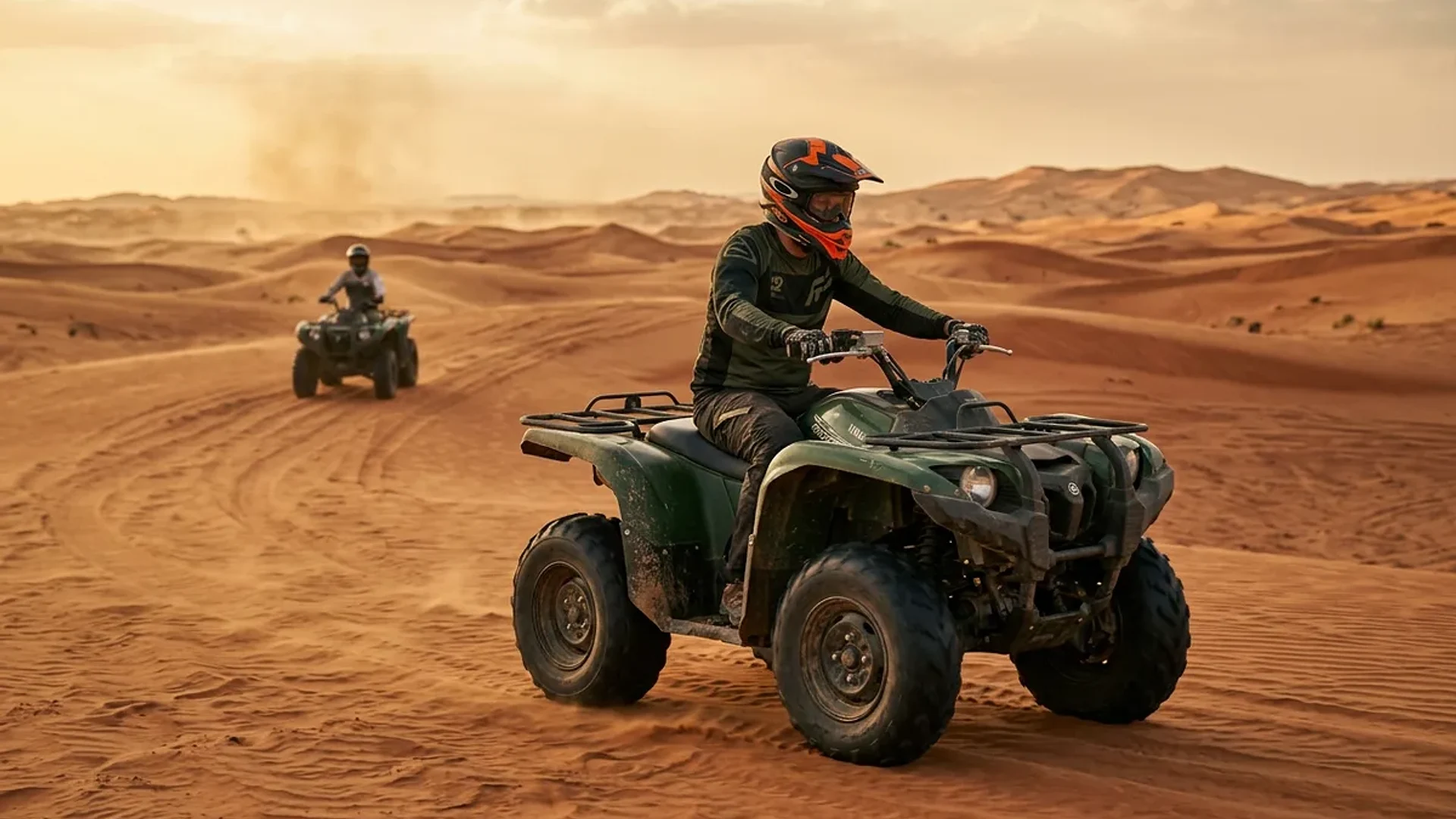
When comparing options, run through the basics in order. The driver should fit comfortably. The passenger, if there is one, should have a secure place to sit. The controls should feel understandable before departure. The route should match the rider's experience, and the safety gear should be suitable and properly fitted.
If any part of that check feels uncertain, ask for clarification before committing. A buggy ride is far more enjoyable when the decision is made with clear expectations. The right buggy supports the route, the riders, and the pace. It does not ask the driver to compensate for poor fit, unclear controls, or terrain beyond their comfort level.
A careful choice also protects the wider experience of the day. Smooth driving feels better, keeps the group together, and gives everyone more room to enjoy the sand, the open views, and the rhythm of the ride. That is a better target than speed alone, especially in a landscape where conditions can change quickly and confidence grows steadily over time.